
What to Wear When You Don't Feel Like Wearing Anything: Depression Clothing Guide
depression clothing isn't a category you'll find in fashion magazines. but for anyone who has navigated a depressive episode, the connection between depression and clothes is visceral and real. some days, the pile of unworn clothes on the chair isn't laziness. it's a symptom.
this post takes that seriously, and offers some genuinely useful thinking around what to wear when getting dressed feels like too much.
why depression affects how we dress
depression impacts motivation, decision-making, and the ability to perform even simple self-care tasks. getting dressed sits at the intersection of all three. it requires choosing (what to wear), acting (physically doing it), and a baseline level of self-regard (why it's worth doing).
when depression flattens those capacities, the pile grows. and then the pile becomes another source of shame. the shame feeds the depression. it's a well-worn loop that most people dealing with depressive episodes know too well.
depression and clothes also interact in the other direction: what you wear can affect how you feel. this isn't toxic positivity. there is genuine research, sometimes called enclothed cognition by the American Psychological Association, showing that clothing influences psychological states. the clothes you put on signal something to your own nervous system, not just to other people.
the case for soft, oversized, easy pieces
when the goal is just to get dressed, the best clothes for depression are ones that remove as many barriers as possible:
- soft fabrics reduce sensory friction. for people with depression, irritating textures can be genuinely dysregulating.
- oversized fits remove the body-image layer. you don't have to think about how something fits when it's made to be generous.
- simple construction means fewer steps. no buttons to fumble with, no complicated layering.
- neutral or soft tones can feel calming rather than demanding.
- having a set depression outfit that you know works removes the daily decision entirely.
this is not about giving up. it's about meeting yourself where you are so you can do the thing, even on the hard days.
getting dressed on a hard day is an act of self-respect, even if it's just the softest tee you own.
the psychology of getting dressed when you're depressed
behavioral activation is one of the most evidence-supported techniques for depression. it's based on the idea that action comes before motivation, not after. you don't wait until you feel like doing something; you do the thing and the feeling often follows.
getting dressed is one of the smallest possible units of behavioral activation. it's a physical signal to your brain that the day is beginning, that you are a person who exists in the world today. it doesn't have to be anything elaborate. it just has to happen.
choosing clothes for depression that you actually like, that feel good, that carry a message that resonates with you, turns a minimal act into something slightly more nourishing. that matters when nourishment is hard to come by.
real pieces for real hard days
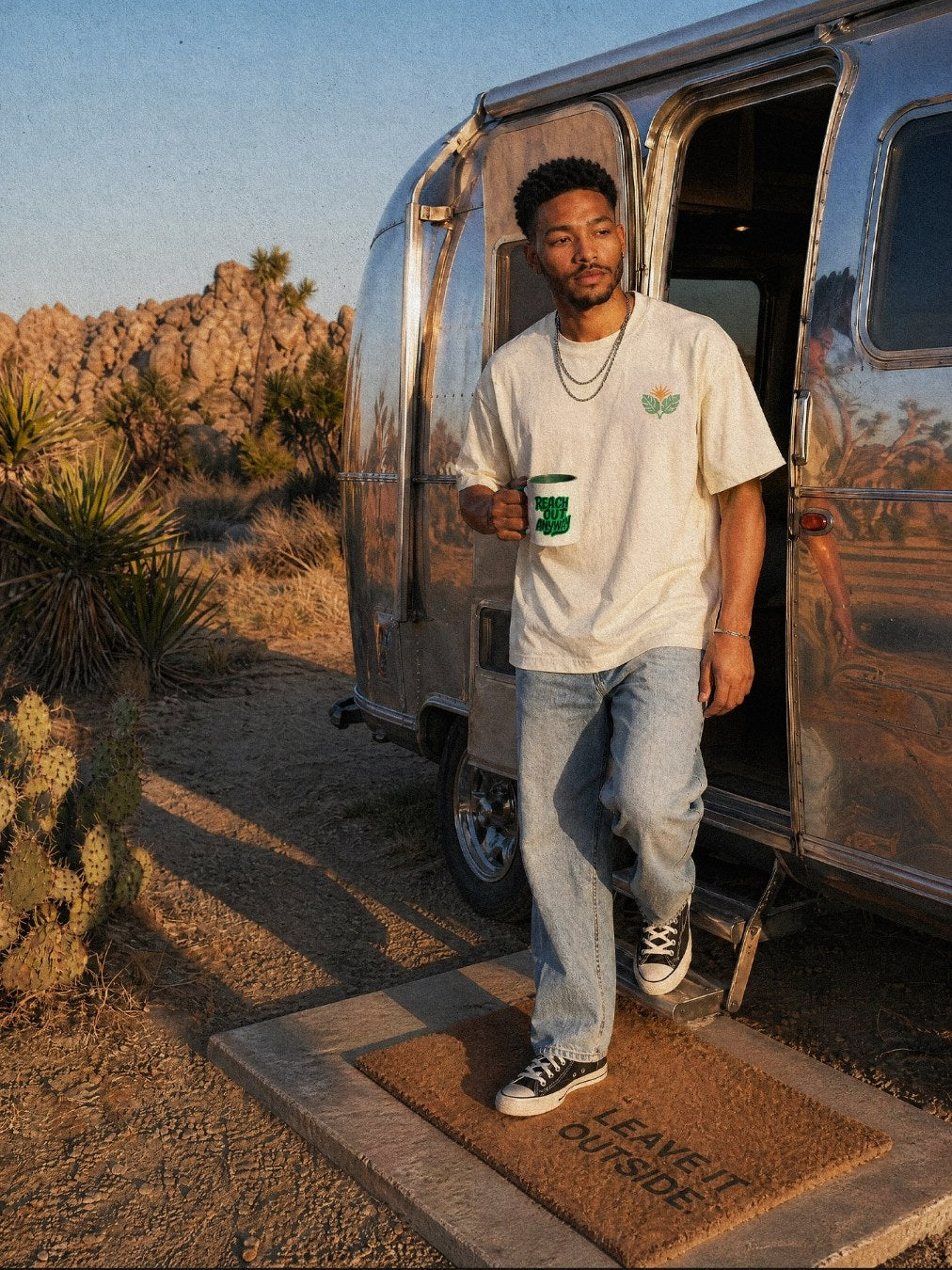
no sad days designs with this use case in mind. the oversized tees collection is built for comfort first, softness first, ease first. the hoodies are the kind of pieces you reach for when you need to feel held without making a production of it.
pieces like the choose your peace teal tie-dye tee or the keep growing teal tie-dye tee carry quiet language that can feel like a small anchor on a difficult day. not loud, not performative. just there.
practical tips for dressing with depression
here are a few low-effort approaches that people find genuinely helpful:
- pick your depression outfit in advance on a better day. having a pre-decided option removes the cognitive load entirely.
- lay clothes out the night before when motivation is slightly higher.
- pair getting dressed with something small and pleasant: a cup of tea, a specific playlist, morning light.
- don't judge the outfit. soft pants and a comfortable tee is dressed. the bar is just doing it.
- on the very hardest days, changing out of pajamas at all counts. fully.
depression and clothes have a complicated relationship, but it doesn't have to be adversarial. treating yourself gently, including in the clothes you choose, is part of how you survive a hard stretch and come through it.
this isn't medical advice. if you're in crisis, call or text 988.
browse the oversized tees or the hoodies. a portion of every purchase goes toward mental health initiatives. 7-Day Exchanges on every order.
less sad days. better tomorrows. one sad day at a time.